DIY Health Check: Monitoring Your Wellbeing at Home
Ps
Introduction to DIY Health Checks
In today's fast-paced world, keeping track of your health can easily slip through the cracks. However, performing simple DIY health checks at home can help you monitor your wellbeing and catch potential issues early. These checks are cost-effective and can be seamlessly integrated into your daily routine.
Engaging in regular health monitoring empowers you to make informed decisions about your lifestyle and healthcare. Below, we explore various aspects of DIY health checks and how you can incorporate them into your life.

Basic Vital Signs
Checking Your Heart Rate
One of the simplest health checks you can perform is monitoring your heart rate. To do this, find your pulse on your wrist or neck, count the beats for 15 seconds, and multiply by four to get beats per minute. A normal resting heart rate for adults ranges from 60 to 100 beats per minute.
Monitoring Blood Pressure
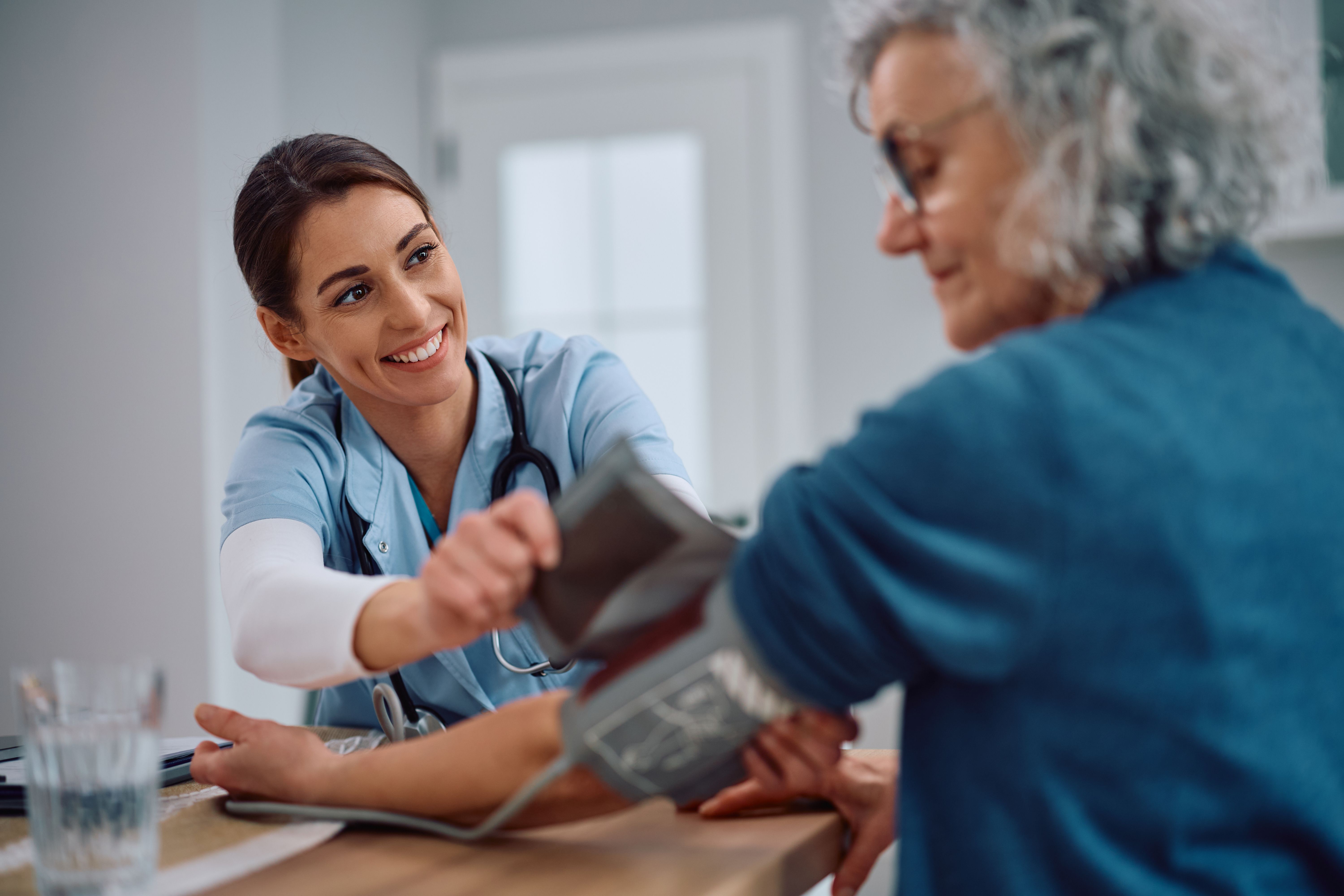
Investing in a home blood pressure monitor can help you keep track of your blood pressure. Follow the instructions carefully to ensure accurate readings. Consistently high readings may indicate hypertension, a risk factor for heart disease and stroke.
Understanding Your Body's Signals
Tracking Your Weight
Keeping an eye on your weight is crucial for maintaining overall health. Use a digital scale to monitor changes and ensure that any weight gain or loss is gradual and intentional. Sudden changes could be a sign of underlying health issues.
Observing Skin and Nails
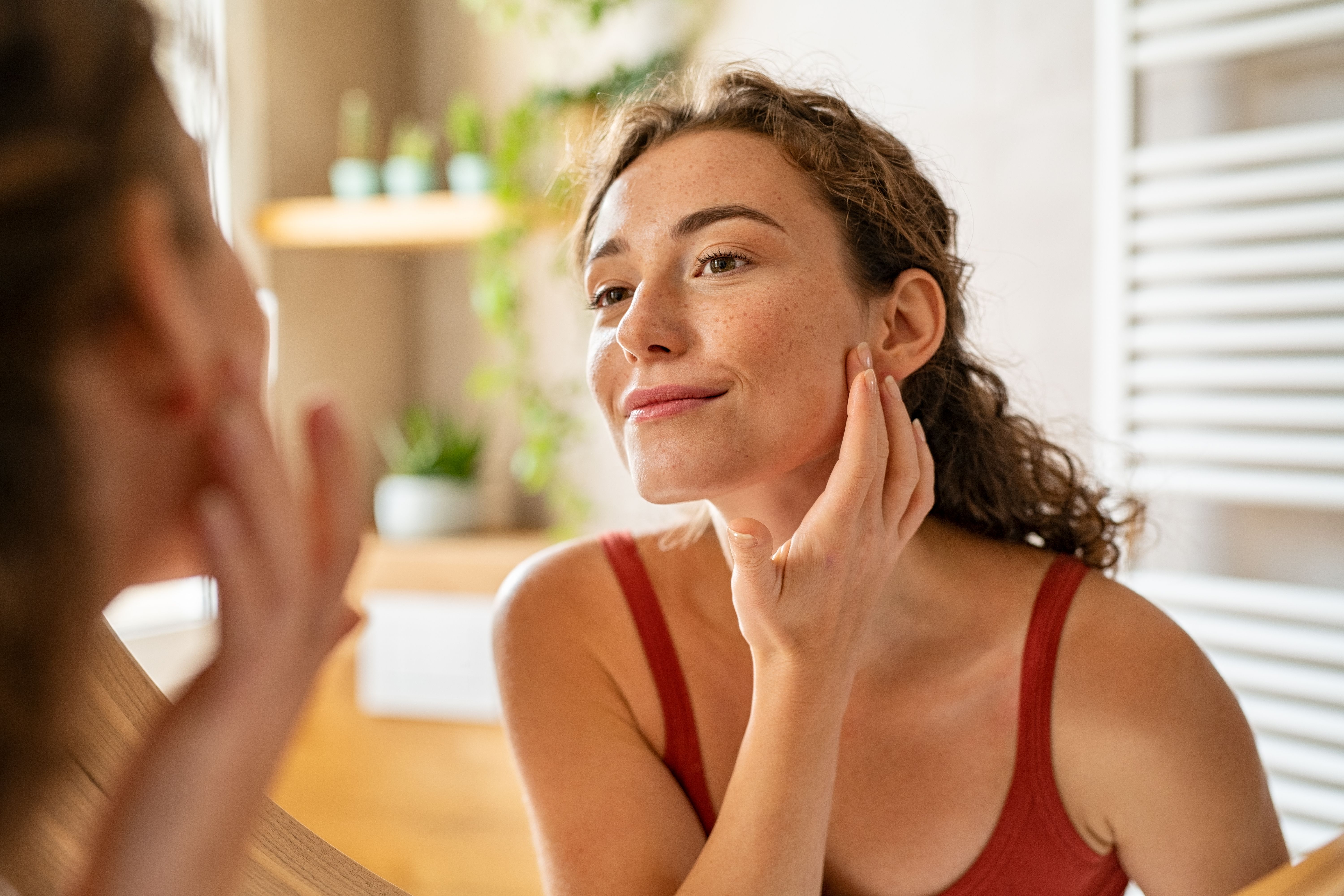
Your skin and nails can tell you a lot about your health. Look for any unusual changes such as discoloration, spots, or texture changes. These could be indicators of nutritional deficiencies or other health concerns.
Monitoring Mental Wellbeing
Assessing Stress Levels
Stress is a silent contributor to many health issues. Take time to assess your stress levels through mindfulness or journaling. If you find yourself consistently stressed, consider relaxation techniques such as meditation or yoga.
Evaluating Sleep Quality
Sleep is essential for overall health. Pay attention to how rested you feel upon waking. If you experience frequent disturbances or insomnia, it may be time to examine your sleep hygiene or consult a healthcare professional.

Conclusion: Taking Control of Your Health
DIY health checks are a proactive way to take control of your health. By regularly monitoring vital signs, body signals, and mental wellbeing, you can stay informed and take necessary actions when needed. Remember, while these checks are helpful, they do not replace professional medical advice. Always consult with a healthcare provider if you have concerns about your health.
Empower yourself with knowledge and make health monitoring a regular part of your routine. Your future self will thank you for it!